

Modern homes are filled with a variety of cleaning products sprays for glass, liquids for floors, powders for sinks, and specialized solutions for nearly every surface. While convenient, many of these products contain strong fragrances and chemical compounds that not everyone prefers to use regularly indoors.
Creating a chemical-free home does not mean sacrificing cleanliness. In fact, several simple homemade cleaners made from basic kitchen ingredients can be highly effective for everyday cleaning tasks. With the right combinations, these natural solutions can handle grease, stains, odors, and surface buildup surprisingly well.
The key is understanding which ingredients work best for specific purposes and how to use them safely. Below are six chemical free homemade cleaners that are easy to prepare and practical for daily use.
All-Purpose Vinegar and Water Spray for Everyday Surfaces
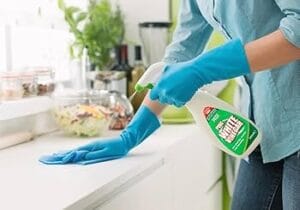
One of the simplest chemical free homemade cleaners you can prepare at home is a basic vinegar and water solution. White vinegar has natural acidic properties that help break down grease, light grime, and mineral deposits on many common household surfaces.
How to Make It
Mix equal parts white vinegar and water in a clean spray bottle. For example, combine one cup of vinegar with one cup of water. Shake gently before each use.
Where It Works Best
This solution is suitable for:
Kitchen countertops (non-stone surfaces)
Glass surfaces
Bathroom tiles
Stainless steel appliances
Doorknobs and frequently touched areas
It can help cut through mild grease and remove light soap residue when used regularly.
Important Surface Note
Avoid using vinegar on natural stone surfaces such as marble or granite, as the acidity may dull the finish over time. Always test a small hidden area first before regular use.
Why It Works
Vinegar’s acidity helps dissolve residue while water dilutes it to a safe level for routine cleaning. It is cost-effective, easy to make, and eliminates the need for multiple store-bought surface sprays.
Used consistently, this simple solution can handle many everyday cleaning tasks without requiring separate specialized products.
Baking Soda Paste for Tough Kitchen Stains
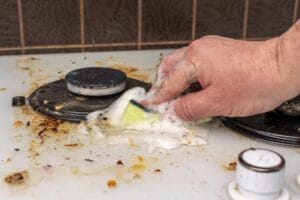
When it comes to stubborn kitchen stains, baking soda is one of the most versatile natural cleaning ingredients you can use. Its mild abrasive texture helps lift grime without scratching most surfaces, making it ideal for tackling built-up residue.
How to Make It
In a small bowl, mix baking soda with a small amount of water until it forms a thick paste. The consistency should be spreadable not too runny.
Where It Works Best
This paste is effective for:
Stovetops with grease buildup
Sink stains
Oven doors
Tile grout
Burn marks on cookware
Apply the paste directly to the stained area and let it sit for 10–20 minutes. For tougher buildup, you can leave it slightly longer before gently scrubbing with a sponge or soft brush.
Why It Works
Baking soda (sodium bicarbonate) is mildly alkaline, which helps break down grease and residue. Its fine particles act as a gentle scrub, loosening dirt without being overly harsh.
A Quick Tip
For extra cleaning power on heavy grease, lightly spray vinegar over the baking soda paste after applying it. The mild fizzing reaction can help lift stubborn residue but always rinse thoroughly afterward.
Simple, affordable, and highly effective, baking soda paste is one of the easiest chemical free homemade cleaners to keep in your kitchen routine.
Lemon and Salt Scrub for Sink and Steel Shine
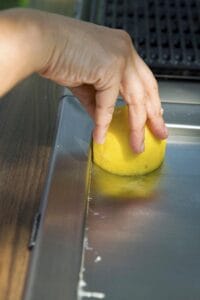
If your kitchen sink or stainless-steel surfaces look dull over time, a simple lemon and salt combination can help restore a fresh appearance. This easy homemade cleaner works well for removing light stains, water spots, and minor surface buildup.
How to Make It
Cut a fresh lemon in half and sprinkle coarse salt directly onto the cut side. You can also sprinkle salt over the surface you plan to clean.
Where It Works Best
This scrub is useful for:
Stainless steel sinks
Metal faucets
Light water stains
Minor surface marks on steel utensils
Gently rub the lemon over the surface using light pressure. The natural acids in lemon help loosen residue, while salt provides a mild scrubbing effect. Rinse thoroughly with water and wipe dry with a clean cloth for a shinier finish.
Why It Works
Lemon contains citric acid, which can help break down mineral deposits and light grease. Salt acts as a gentle abrasive that helps lift stains without aggressive scratching.
Important Note
Avoid using this method on delicate or coated surfaces, and always test a small area first. Over-scrubbing can dull certain finishes.
Used occasionally, this natural combination can help maintain a clean and refreshed look for metal surfaces without relying on heavy commercial polishing products.
Homemade Glass Cleaner for Streak-Free Mirrors
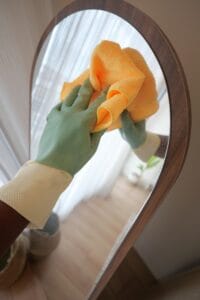 Glass cleaners are one of the most commonly purchased cleaning products, but you can make an effective streak-free version at home with simple ingredients. A properly mixed homemade glass cleaner can remove fingerprints, light smudges, and dust without leaving cloudy residue behind.
How to Make It
In a spray bottle, mix:
1 cup water
1 cup white vinegar
(Optional) a few drops of mild dish soap
Shake gently before use.
How to Use It
Spray lightly onto glass surfaces or mirrors avoid over-saturating. Wipe immediately using a microfiber cloth or a lint-free paper towel. Cleaning in circular or side-to-side motions helps reduce streaks.
For best results, avoid cleaning glass in direct sunlight, as fast drying can leave marks behind.
Why It Works
Vinegar helps break down oils and residue, while water dilutes it to safe levels for everyday use. A small amount of dish soap can help remove fingerprints and light grease more effectively.
Where It Works Best
Bathroom mirrors
Window panes
Glass tables
Shower doors
This chemical free homemade cleaner is simple, affordable, and effective when used correctly making it a reliable alternative to many store-bought glass sprays.
Natural Floor Cleaner for Safe Everyday Mopping
Floors accumulate dust, footprints, and spills daily. Instead of relying on heavily fragranced commercial floor cleaners, a simple homemade solution can handle routine mopping effectively while keeping indoor air fresher.
How to Make It
In a bucket of warm water, add:
½ cup white vinegar
(Optional) a few drops of mild dish soap
Stir gently to combine.
How to Use It
Dip your mop into the solution, wring out excess water, and mop as usual. Avoid over-wetting the floor damp mopping is generally more effective and safer for most surfaces.
Where It Works Best
This natural cleaner works well for:
Ceramic tile floors
Vinyl flooring
Sealed hardwood floors (use lightly)
Laminate flooring
Important Surface Note
Do not use vinegar on natural stone floors such as marble, granite, or limestone, as acidity may damage the finish. Always check your flooring manufacturer’s care recommendations before use.
Why It Works
Vinegar helps break down light dirt and residue, while warm water loosens everyday grime. For regular cleaning, this simple mixture can maintain a clean surface without requiring specialized products.
Used consistently, this natural floor cleaner is suitable for routine maintenance in many homes keeping floors fresh without unnecessary chemical buildup.
Odor-Removing Fabric Spray for Sofas and Curtains
Soft furnishings like sofas, cushions, and curtains can trap odors over time especially in living areas with limited ventilation. Instead of using heavily scented commercial sprays, a simple homemade fabric mist can help freshen fabrics more gently.
How to Make It
In a spray bottle, mix:
1 cup water
1 tablespoon baking soda
A few drops of essential oil (optional, for light fragrance)
Shake well before each use to ensure the baking soda is evenly distributed.
How to Use It
Lightly mist the surface from a distance. Avoid soaking the fabric. Allow it to air dry completely. For best results, test on a small hidden area first, especially on delicate fabrics.
Why It Works
Baking soda is known for its ability to help neutralize mild odors rather than simply masking them. The water helps distribute it evenly, while optional essential oils can add a subtle scent.
Important Note
This spray is suitable for light freshening, not for removing deep-set stains. Always ensure proper ventilation when using any spray indoors.
Used occasionally, this simple solution can help maintain a fresher indoor environment as part of a regular cleaning routine.
Conclusion: Simple Ingredients, Effective Results
Creating a chemical free home does not require replacing every product overnight. In many cases, simple ingredients already available in your kitchen can handle everyday cleaning tasks effectively. Vinegar for surfaces, baking soda for stains, lemon for shine, and basic natural solutions for floors and fabrics can reduce reliance on multiple store-bought cleaners.
Homemade cleaners work best for routine maintenance rather than heavy-duty industrial cleaning. Understanding where and how to use them safely is important. Surface type, dilution, and proper ventilation should always be considered before applying any cleaning solution.
The goal is not to eliminate all commercial products, but to simplify your cleaning routine where possible. With a few well-prepared homemade solutions, maintaining a clean and fresh home can be both practical and economical.
Consistency, proper technique, and awareness matter more than complexity.
For more information on safer household cleaning practices, refer to resources from the U.S. Environmental Protection Agency’s Safer Choice program.
Read more match previews and analysis in our Cricket section.
Read more perspectives and deep dives in our Insights section.
Read more health tips and wellness information on our Health section.
Explore more daily hacks for everyday life in our Daily Hacks section.
Read more lifestyle stories in our Lifestyle section.