

Homemade Remedies for Gut Health: Digestive health plays a central role in overall well-being. When your gut functions smoothly, you tend to feel lighter, more energetic, and less uncomfortable after meals. However, modern eating habits, irregular routines, and processed foods can sometimes disrupt natural digestion.
While extreme detox trends often promise quick fixes, supporting gut health does not require drastic measures. Simple homemade remedies and consistent dietary habits can help maintain balance in the digestive system. Small daily adjustments such as improving fibre intake, staying hydrated, and including fermented foods may contribute to better digestion over time.
Instead of focusing on “cleansing,” the goal should be supporting your body’s natural digestive processes in a sustainable and practical way.
Start with Hydration: The Role of Water in Digestion
 When people think about improving gut health, they often focus only on food. However, one of the simplest and most overlooked digestive supports is proper hydration. Water plays a direct role in how efficiently your digestive system functions every day.
Digestion begins long before food reaches the stomach. Saliva, which contains digestive enzymes, depends on adequate hydration. As food moves through the gastrointestinal tract, water helps break it down and supports nutrient absorption. Without enough fluid intake, digestion can slow down, leading to discomfort such as bloating or irregular bowel movements.
Hydration also helps maintain the softness and movement of stool. Adequate water intake supports normal bowel function by preventing excessive dryness in the intestines. When fibre intake increases which is important for gut health sufficient water becomes even more essential. Fibre absorbs water, and without proper hydration, it may have the opposite of its intended effect.
A practical guideline for most adults is to aim for consistent water intake throughout the day rather than consuming large amounts at once. Needs vary depending on body size, climate, and activity levels, but clear or light-colored urine is often a simple indicator of adequate hydration.
Supporting gut health does not begin with complicated remedies. In many cases, regular and sufficient hydration is the foundation for smoother digestion and overall digestive comfort.
Increase Fibre Intake Gradually and Consistently
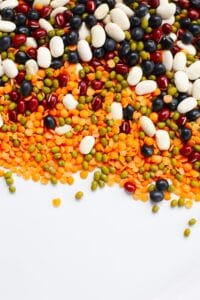 Fibre is one of the most important nutrients for supporting gut health, yet many people consume far less than recommended. While adding more fibre can improve digestive comfort over time, the key is to increase intake gradually and consistently rather than making sudden changes.
Dietary fibre helps regulate bowel movements by adding bulk to stool and supporting smoother movement through the digestive tract. It also serves as food for beneficial gut bacteria, helping maintain a balanced microbiome. Whole grains, legumes, fruits, vegetables, nuts, and seeds are all natural sources of fibre that can be included in daily meals.
However, increasing fibre intake too quickly may lead to temporary bloating or discomfort. The digestive system needs time to adjust. A practical approach is to add one fibre-rich food at a time for example, switching from refined grains to whole grains, adding a serving of fruit daily, or including lentils in a meal a few times per week.
Consistency matters more than intensity. Rather than aiming for dramatic short-term increases, focus on maintaining balanced fibre intake every day. Combined with adequate hydration, a steady increase in fibre can support regular digestion and long-term gut health without unnecessary discomfort.
Homemade Fermented Foods That Support Gut Balance
 Fermented foods have been part of traditional diets across cultures for centuries. In recent years, they have gained attention for their potential role in supporting gut balance. These foods contain naturally occurring beneficial bacteria that may contribute to a diverse gut microbiome when consumed regularly as part of a balanced diet.
Homemade fermented options such as curd (yogurt), buttermilk, fermented vegetables, or traditional pickled foods can be simple ways to introduce live cultures into daily meals. For example, fresh homemade yogurt contains active cultures that may support digestive comfort. Similarly, lightly fermented vegetables provide both fibre and naturally occurring probiotics.
It is important to understand that fermented foods are not quick fixes or medical treatments. Instead, they may support digestion as part of a consistent dietary pattern that includes fibre, hydration, and overall nutrient balance. Not everyone responds the same way, so portion size and tolerance should be considered gradually.
When prepared hygienically and consumed in moderation, homemade fermented foods can be a practical addition to a gut-supportive lifestyle. The goal is steady dietary habits rather than extreme or excessive use of any one remedy.
Herbal Drinks That May Aid Digestion
Herbal drinks have traditionally been used to support digestion and reduce minor digestive discomfort. While they are not medical treatments, certain herbs may help promote digestive comfort when consumed in moderation as part of a balanced diet.
Warm liquids themselves can be soothing for the digestive system. Herbal options such as ginger tea, mint infusion, or cumin water are commonly used in many households to ease occasional bloating or heaviness after meals. Ginger is often associated with supporting natural digestive movement, while mint may contribute to a relaxed digestive response in some individuals.
Another commonly used option is fennel-infused water, which has been traditionally consumed after meals to promote digestive ease. These beverages are simple to prepare at home and can be included in daily routines without complication.
It is important to remember that herbal drinks should complement healthy eating habits not replace them. Persistent digestive issues should be evaluated by a healthcare professional rather than self-treated with home remedies. Used sensibly, however, herbal drinks can be a gentle and practical addition to a gut-supportive lifestyle.
Lifestyle Habits That Naturally Support Digestive Health
While diet plays a central role in gut health, daily lifestyle habits can significantly influence how smoothly your digestive system functions. Supporting digestion is often less about dramatic remedies and more about consistent, sustainable routines.
Regular physical activity, even simple walking, helps stimulate natural intestinal movement. Movement encourages healthy circulation and can reduce sluggish digestion. You do not need intense workouts moderate daily activity is often enough to support digestive comfort.
Meal timing also matters. Eating at consistent times each day allows your digestive system to operate more predictably. Constant snacking or irregular meal patterns can sometimes disrupt natural hunger and digestion rhythms. Giving your body time between meals may support better processing of food.
Stress management is another overlooked factor. The gut and brain are closely connected, often referred to as the “gut-brain axis.” Ongoing stress may affect digestion, appetite, and bowel patterns. Practices such as mindful eating, deep breathing, adequate sleep, and short relaxation routines can contribute positively to digestive balance.
Lastly, chewing food thoroughly is a simple but powerful habit. Digestion begins in the mouth, and proper chewing reduces strain on the stomach and intestines. Eating slowly and without distraction can improve awareness of fullness and reduce discomfort.
Supporting digestive health naturally does not require extreme measures. Balanced eating, adequate hydration, regular movement, consistent sleep, and stress management together form a foundation for long-term gut comfort and overall wellness.
Conclusion: Support, Don’t “Cleanse”
The idea of keeping your gut “clean” is often misunderstood. Your digestive system is naturally designed to process food, absorb nutrients, and eliminate waste efficiently. Rather than relying on extreme detox trends, the real goal should be supporting your body’s natural digestive function through simple, consistent habits.
Staying hydrated, increasing fibre gradually, including fermented foods, drinking herbal infusions in moderation, and maintaining healthy lifestyle routines can all contribute to better digestive comfort over time. These steps are not quick fixes they are sustainable practices that align with how the body is designed to function.
If digestive discomfort persists or becomes severe, professional medical advice is always recommended. Homemade remedies can support gut health, but they should complement not replace appropriate medical care when needed.
Long-term digestive wellness is built through balance, consistency, and informed choices.
For more information on digestive health and maintaining a balanced gut, refer to resources from the National Institute of Diabetes and Digestive and Kidney Diseases.
Read more match previews and analysis in our Cricket section.
Read more perspectives and deep dives in our Insights section.
Read more health tips and wellness information on our Health section.
Explore more daily hacks for everyday life in our Daily Hacks section.
Read more lifestyle stories in our Lifestyle section.