

ABC juice made from apple, beetroot, and carrot has become a daily health ritual for many people. It’s often seen as an easy way to add nutrients to the diet, improve energy levels, and “do something good” for the body, especially in the morning. For busy lifestyles, a glass of juice feels like a quick, healthy win.
However, what’s rarely discussed is how the nutritional profile of these fruits changes once they’re juiced. While the vitamins and antioxidants remain, the way the body processes the drink becomes very different from eating the fruits whole. Understanding this difference doesn’t mean giving up ABC juice it simply helps us make more informed and balanced choices.
What Is ABC Juice?
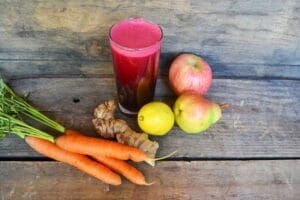
ABC juice is a popular drink made by juicing apple, beetroot, and carrot. Each of these ingredients brings its own natural nutrients, which is why the combination is often promoted as a “health juice.”
Apples add natural sweetness along with vitamin C and plant antioxidants. Beetroot is known for its nitrates and minerals, which are commonly linked to improved blood flow and stamina. Carrots contribute beta-carotene, which the body converts into vitamin A and uses for eye health and immunity.
Because these three ingredients are commonly available and easy to blend or juice, ABC juice has become a convenient option for people looking to include more fruits and vegetables in their daily routine. It’s refreshing, nutrient-rich, and easy to consume especially for those who struggle to eat raw fruits and vegetables regularly.
What Happens When Fruits Are Juiced?
When fruits and vegetables are juiced, their physical structure changes completely. The juicing process separates most of the liquid from the solid parts, which means a large portion of the natural dietary fibre is removed.
While vitamins, minerals, and antioxidants remain in the juice, fibre is what slows digestion and helps the body process sugars gradually. Without enough fibre, the juice is absorbed much faster by the body compared to eating the same ingredients whole.
Another important change is volume and concentration. A glass of juice often contains the equivalent of multiple fruits consumed at once. When eaten whole, chewing and fibre create a feeling of fullness. When juiced, that natural “braking system” is reduced, making it easier to consume more sugars in a shorter time.
This doesn’t mean juicing destroys nutrition but it does change how nutrients behave in the body. The health impact of fruits depends not just on what they contain, but also on how they are consumed.
Why Fibre Matters for Blood Sugar and Overall Health
Dietary fibre plays a crucial role in how the body handles food. When fruits are eaten whole, fibre acts like a natural regulator, slowing down digestion and the release of sugars into the bloodstream. This gradual absorption helps maintain steadier energy levels instead of sharp spikes and crashes.
 Fibre also supports gut health by feeding beneficial bacteria in the digestive system. A healthy gut improves digestion, supports immunity, and helps the body use nutrients more efficiently. Without enough fibre, digestion becomes faster and less controlled, which can affect how the body responds to carbohydrates over time.
In the case of juices, the natural sugars from fruits enter the bloodstream much more quickly because the fibre that normally moderates this process is largely missing. For people who consume fruit juice frequently or in large quantities, this faster sugar absorption may place extra stress on blood sugar regulation, especially when the juice is consumed on an empty stomach.
Again, this doesn’t mean fruit juices are harmful. It simply highlights why fibre is an important part of balanced nutrition and why whole fruits and vegetables behave differently in the body compared to their juiced form.
ABC Juice and Blood Sugar: What People Often Overlook
ABC juice is often consumed with the belief that “natural” automatically means “risk-free.” While the ingredients themselves are nutritious, the way the juice is absorbed by the body is very different from eating apples, beetroot, and carrots in their whole form.
Because ABC juice contains natural sugars without much fibre, it is digested quickly. This can cause a rapid rise in blood sugar levels, especially when the juice is consumed alone or first thing in the morning. For healthy individuals, the body can usually manage this. However, frequent large servings may lead to repeated sugar spikes over time.
Another factor many people overlook is portion size. A single glass of ABC juice can contain the sugars of multiple fruits and vegetables, far more than most people would eat at one sitting. When consumed regularly without balancing foods like protein or healthy fats, the overall sugar load can add up unnoticed.
This doesn’t mean ABC juice needs to be avoided. The key lies in how often, how much, and how it is consumed. Awareness of these factors helps turn ABC juice from a habit taken blindly into a choice made consciously.
Who Should Be More Mindful When Drinking ABC Juice?
While ABC juice can be part of a healthy diet, some people may benefit from being a little more mindful about how they include it in their routine. This is mainly because of its natural sugar content and low fibre when consumed as a juice.
People who are already watching their blood sugar levels, such as those with insulin resistance or a family history of metabolic issues, may want to avoid drinking large quantities frequently. Similarly, those who rely on ABC juice as a daily replacement for whole fruits may unintentionally miss out on essential fibre over time.
Individuals who drink ABC juice first thing in the morning on an empty stomach might also notice quicker energy highs followed by dips, as the juice is absorbed rapidly. In such cases, pairing the juice with food or choosing a smaller portion can make a noticeable difference.
This isn’t about restriction or fear. It’s about understanding how your body responds and making small adjustments that support long-term health rather than short-term trends.
Smarter Ways to Consume ABC Ingredients
The goal isn’t to stop consuming apples, beetroot, and carrots it’s to consume them in a way that preserves their full nutritional value, especially fibre. Small changes in how ABC ingredients are prepared can make a big difference.
One of the simplest alternatives is choosing smoothies instead of juices. When fruits and vegetables are blended rather than juiced, the fibre stays intact. This helps slow digestion, supports gut health, and prevents rapid sugar absorption while still providing vitamins and antioxidants.
Another approach is to consume ABC juice in smaller portions rather than large glasses. Treating it as a supplement to a meal, rather than a standalone drink, can help reduce sudden blood sugar spikes. Pairing the juice with nuts, seeds, or a protein-rich breakfast can further slow sugar absorption.
Some people also choose to add back the pulp after juicing or alternate juice days with eating whole fruits. Even simple habits like chewing whole fruits a few times a week instead of always drinking juice help restore nutritional balance.
The key is flexibility. ABC juice can be part of a healthy routine when it complements whole foods rather than replaces them.
A Balanced Perspective on ABC Juice
ABC juice is undeniably nutritious and can be a convenient way to include fruits and vegetables in a busy lifestyle. Its vitamins, antioxidants, and natural freshness offer real benefits when consumed thoughtfully.
At the same time, understanding what changes during the juicing process helps put things into perspective. The loss of fibre and the faster absorption of natural sugars mean that ABC juice works best as a supporting habit, not a replacement for whole fruits and vegetables.
Health isn’t about labelling foods as “good” or “bad.” It’s about awareness, balance, and consistency over time. By being mindful of portion sizes and choosing when and how to consume ABC juice, people can enjoy its benefits while still meeting their body’s need for fibre and steady energy.
Informed choices, even small ones, are what turn popular health trends into sustainable, long-term habits.
Nutrition experts, including guidance from the Harvard T.H. Chan School of Public Health, note that whole fruits are generally more beneficial than fruit juices because fibre slows sugar absorption and supports gut health.
Read more match previews and analysis in our Cricket section.
Read more perspectives and deep dives in our Insights section.
Read more health tips and wellness information on our Health section.
Get simple daily-hacks for everyday life here.
Read more Lifestyle related stories and tips here.